

Retail trends in 2026 are being defined by a simple reality: AI taking a larger role in how people discover and evaluate products, and social platforms turning shopping into entertainment. As these shifts accelerate, retailers will face more competition for attention and higher expectations from shoppers.
In that environment, visibility alone will not be enough. Brands will need to prove they are credible, reliable, and worth buying from. Brand trust will become a core driver of conversion, retention, and long-term growth.
The challenge for retailers is no longer just adopting new technology. It is learning how to stay relevant across new traffic sources, new buying behaviors, and increasingly fragmented digital experiences.
Key Takeaways
- Trust will become a conversion driver as shoppers evaluate brands across AI-powered search, social commerce, and marketplace environments.
- Agentic AI will move into real shopping workflows by helping consumers research products, compare options, and make decisions with less manual effort.
- Shoppertainment will reshape discovery as platforms like TikTok combine creator content, product education, and checkout.
- Retail media will face more pressure to prove measurable sales impact.
- Smarter supply chains will protect margins by improving forecasting, fulfillment, inventory accuracy, and customer reliability.
1. Trust Will Be the Retail Trend That Separates Views From Sales

Trust is becoming a more measurable commercial advantage as shoppers grow more cautious about where they buy, especially in environments shaped by AI-generated content, fake storefronts, and low-friction purchasing.
After rising concern around AI‑generated scams, fake storefronts, deepfakes, and misleading content, shoppers are increasingly cautious about where they spend. At the same time, investment in AI continues to surge, with global spending projected to grow by more than 30% annually and reach roughly $1.3 trillion by 2029 as companies deploy more advanced and agent‑driven systems.
In this environment, retailers will need to prove authenticity, security, and consistency at every stage of the customer journey. Clear policies, verified reviews, accurate product information, dependable fulfillment, and responsive customer service all contribute to that perception.
In a market where consumers are exposed to endless offers and low-friction purchase options, trust becomes the filter that determines who gets the sale. Retailers that fail to build confidence may still get seen, but they will struggle to convert.
2. Agentic AI Will Change How Shoppers Discover, Compare, and Choose Products
If generative AI shaped much of the retail conversation in 2024 and 2025, 2026 is the year agentic AI starts changing how commerce actually works. These systems go beyond generating copy or surfacing recommendations. They can act on a shopper’s behalf, researching products, comparing options, and moving shoppers closer to purchase with less manual effort.
Adoption is accelerating across business software, with estimates indicating that by 2026 around 40% of enterprise applications could incorporate task-specific AI agents. Retailers are already using AI-driven personalization to analyze customer data and deliver more tailored recommendations and shopping experiences.
TikTok Shop shows how quickly AI is reshaping the path to purchase. As The Wall Street Journal reported, TikTok’s AI Video Maker now lets creators auto-generate shoppable videos, and AI-created product demos are competing with traditional creator content for attention and sales. Discovery is also scaling fast on the human side.
According to Charm data cited in the article, creators who made sales through TikTok Shop’s global affiliate program grew from 2.3 million in 2024 to approximately 11.3 million in 2026 so far, including 945,000 in the U.S. With more content, more creators, and more AI in the mix, shoppers increasingly rely on algorithms and assistants to filter what they see.
For retailers, this shift changes how discovery happens. Instead of relying only on traditional search, paid media, or direct site visits, brands will need to appeal to AI-assisted decision-making, which means clear product information, credible reviews, and consistent performance signals that both shoppers and AI systems can trust.
3. Shoppertainment Will Turn TikTok Shop and Creator Content Into Revenue Channels
As AI takes over more routine and functional shopping tasks, the emotional engagement of shopping becomes more important.
In 2026, more retail experiences will blend content, community, and commerce through live shopping, creator-led selling, virtual try-ons, and interactive brand discovery. Shopping is becoming more participatory, more visual, and more entertainment-driven, with many livestream viewers tuning into shoppable streams several times a week and engaging with them much like entertainment content.
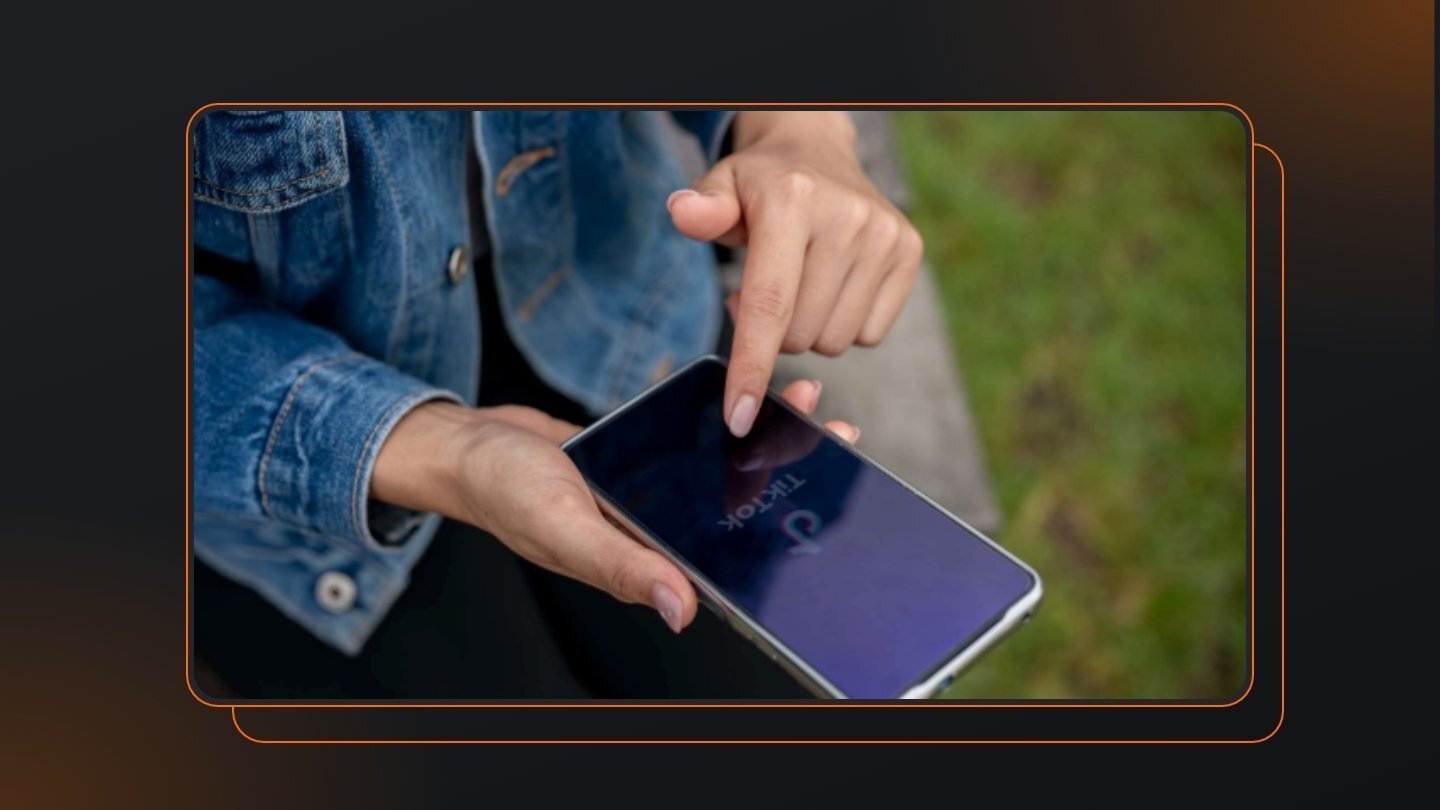
Platforms like TikTok are accelerating this shift. Social commerce adoption on the platform is growing quickly, about 45.5% of U.S. TikTok users are expected to make at least one purchase through the platform in 2025.
Unlike traditional marketplaces where people arrive with buying intent, TikTok users typically come for entertainment and discover brands through creator content. Because product tags and checkout are embedded directly into videos, the gap between seeing a product and buying it can be extremely small. In practice, short‑form videos often act as the ad, product demo, review, and storefront all at once.
This creates a new challenge for retailers: understanding which TikTok trends create demand rather than just views. If AI handles efficiency, shoppertainment becomes the layer that drives inspiration, affinity, and impulse. Retailers should expect stronger overlap between social media, creator ecosystems, and digital storefronts as audiences spend more time discovering brands in environments designed to hold attention.
4. Retail Media Will Enter Its ROI Era as Brands Demand Better Attribution
Retail media, advertising sold by retailers on their own sites, apps, and in-store screens, will remain one of the sector’s biggest growth engines in 2026, but expectations are rising. Networks such as Amazon Ads, Walmart Connect, Target Roundel, and Instacart Ads let brands reach shoppers based on their purchase history and browsing behavior, then tie sales back to specific campaigns. That direct link between ad exposure and purchase is why the channel has grown so quickly, with U.S. retail media spending projected to reach $71 billion in 2026.
As budgets grow, so does scrutiny. Brands no longer want ad placements alone. They want stronger attribution, better use of first-party data, and clear evidence that media spend is driving incremental revenue, not just capturing sales that would have happened anyway.
This shift will push retailers to make their media networks more transparent, more performance-oriented, and easier for brands to compare. The opportunity is still significant, but the standard is changing.
Retailers that can connect audience access with real business outcomes will be better positioned to grow these offerings. Those that cannot may find advertisers becoming more selective about where they invest.
5. AI-Powered Supply Chains Will Become a Retail Growth Strategy
Some of the most important innovations in 2026 will happen behind the scenes. Retailers are investing in AI-powered supply chain tools that improve forecasting, inventory visibility, fulfillment speed, and cost control.
With 95% of retail executives expecting rising costs from global trade policies and 66% planning supply chain restructuring in 2026, many companies are rethinking their networks to protect margins and build resilience.
Adoption of AI is growing as well, with about 30% of retailers already using it for supply chain visibility, a figure expected to reach roughly 41% within the next year. While these changes happen behind the scenes, they directly shape the customer experience.
A more intelligent supply chain helps retailers avoid stockouts, reduce delays, and manage margins more effectively. It also supports trust in a quieter but equally important way. When products arrive on time, inventory data is accurate, and service expectations are met, shoppers are more likely to come back.
As brands look beyond the lessons of consumer shopping trends 2025, operational resilience will become a bigger part of retail strategy. Efficiency is no longer separate from brand perception. It reinforces it.
What Retailers Need To Do Now
The biggest retail trends shaping 2026 all point in the same direction: commerce is becoming more automated, more immersive, and more fragmented across platforms. That creates opportunity, but it also raises the bar for brands competing for attention.
As new technologies reshape shopping behavior and new channels influence discovery, future success will depend on more than visibility alone. Retailers will need to show that they are trustworthy, relevant, and capable of meeting customer expectations consistently.
For teams operating on fast‑moving platforms like TikTok Shop, acting on these trends requires better visibility into what is actually driving sales. It is no longer enough to track what is trending, retailers also need to understand which trends translate into real revenue.
Tools like Charm help bridge that gap by connecting what is trending on TikTok, including hashtags and creator content, with what is actually selling on the platform. Instead of simply identifying viral content, retailers can see which trends are generating measurable demand and where the real commercial opportunity exists.
Book a call with Charm to see what TikTok’s top-selling brands, trending hashtags are really worth and how Charm Analytics helps turn these insights into revenue.
See what’s trending in your industry
Charm’s Trend Watch is a monthly webinar that shares data and insights into fast-growing DTC brands, TikTok Shop trends, and strategic market opportunities.
Sign up for the Webinar